
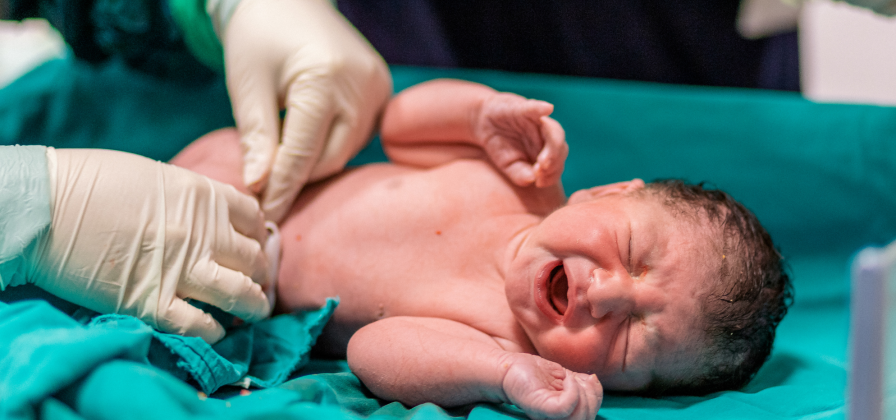
A Powerful Resource Often Discarded
Umbilical cord blood contains blood-forming stem cells that can be used to treat dozens of serious diseases, including leukemia, lymphoma, sickle cell disease, and other blood and immune disorders. Although cord blood was once routinely discarded after delivery, advances in transplantation have transformed it into a valuable medical resource.
Donated cord blood can be processed, stored, and listed on national registries, making it available to patients in need of a stem cell transplant who may not have a matched family donor.
From Delivery Room to Global Impact
At Woman's, eligible pregnant women have the opportunity to donate their newborn's cord blood after delivery at no cost to their family. The collection process is safe, painless, and occurs after the baby is born and the umbilical cord has been clamped.
Each donation has the potential to support future transplantation, research, and advances in regenerative medicine.
Since launching the program, Woman's has successfully banked more than 500 cord blood units, contributing to a growing national inventory that expands access to treatment for patients seeking a life-saving donor match.
Expanding Access Through Partnership
The partnership with MD Anderson Cancer Center connects local families to a larger mission—improving access to stem cell therapies and advancing research that may lead to new treatments for complex diseases.
By integrating cord blood donation into routine maternity care, Woman's is helping transform a once-discarded resource into an opportunity to save lives, support scientific discovery, and improve health outcomes far beyond our community.